




China has emerged as Brazil’s largest supplier of fertilisers, marking a significant shift in the country’s agricultural trade landscape.
According to a report, China overtook Russia for the first time after shipping 9.76 million tonnes of fertilisers to Brazil between January and October 2025.
The main products exported were ammonium sulphate and NP based fertiliser formulations containing nitrogen and phosphorus, both essential nutrients for crop development. During the same period, Russia supplied 9.72 million tonnes, maintaining its position as a key strategic partner in Brazil’s fertiliser market.
The sharp rise in imports from China has, however, placed pressure on Brazil’s port infrastructure. A surge of vessels carrying fertiliser cargo led to extended queues at the Port of Paranagua throughout the year. On average, ships waited nearly 60 days before unloading.
"This backlog created a significant logistical bottleneck, putting pressure on the port's operating capacity and increasing costs and demurrage, which is the fee charged when a container, vessel or cargo remains longer than permitted in a port, terminal or depot," the report quoted.
The congestion has raised concerns among traders and farmers alike, as delays and additional charges can ultimately increase the cost of agricultural production. Efficient fertiliser supply is critical for Brazil, one of the world’s leading agricultural producers, particularly as farmers prepare for major planting seasons.
The report also highlights ongoing challenges in the market. It notes that the exchange ratio between agricultural crops and phosphated fertiliser sources remains unfavourable, meaning farmers are receiving less purchasing power from crop sales when buying fertilisers.
Despite these pressures, fertiliser deliveries across Brazil increased by 9 per cent through August compared with the previous year. Industry analysts suggest that total deliveries could reach a new record in 2025. The state of Rio Grande do Sul is expected to play an important role in shaping the final outcome, largely due to delayed purchasing decisions earlier in the season.
The shift in supplier dynamics reflects broader changes in global trade flows, as Brazil continues to diversify its sources while balancing cost, reliability and long term supply security.
China becomes Brazil’s leading fertiliser supplier
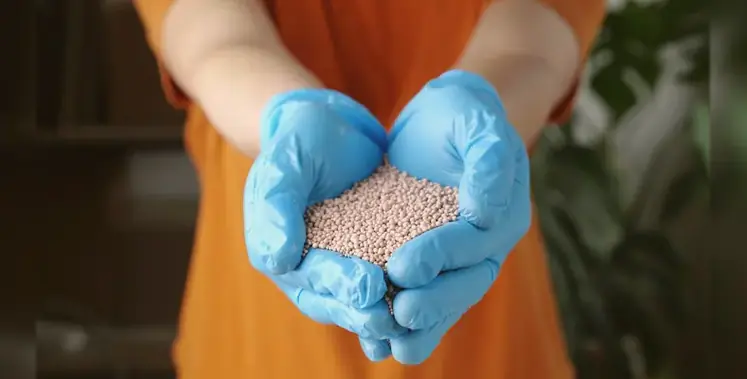
China Becomes Brazil’s Leading Fertiliser Supplier, Surpassing Russia.