



A new partnership between NEC Corporation and Fager is set to reshape how farming is approached in Thailand.
The collaboration focuses on reducing emissions while helping farmers maintain strong productivity and improve their income.
At the heart of this effort is a shared vision to make agriculture more sustainable without placing extra pressure on farmers. NEC brings its expertise in digital technology, while Fager contributes practical knowledge and direct engagement with farming communities. Together, they aim to support growers in adopting methods that cut greenhouse gas emissions but still deliver reliable yields.
One of the main tools in this initiative is precision farming technology. NEC’s fertiliser management system plays a key role by helping farmers apply the right amount of fertiliser based on the needs of each field. This reduces unnecessary use, lowers emissions, and helps farmers manage costs more effectively. It also adds stability to daily farming operations by making decisions more data driven and accurate.
The project also introduces an opportunity for farmers to benefit financially through carbon credits. By following low emission practices, farmers can generate measurable reductions in emissions. These reductions can then be converted into carbon credits, offering an additional and meaningful source of income. This approach helps turn sustainability into a practical advantage rather than an added burden.
Fager will work closely with farmers to guide them through these changes, ensuring that new practices are easy to adopt and maintain. At the same time, NEC’s technology will track progress and measure results clearly. This ensures that emission reductions are properly verified, creating a reliable system for carbon credit generation.
The initiative also supports Thailand’s wider climate ambitions, where agriculture plays an important role in reducing national emissions. By combining innovation, financial incentives, and on ground support, this partnership offers a realistic path towards more responsible farming. It also opens the door for similar models to be introduced in other regions in the future.
NEC and Fager collaborated to support low emission farming in Thailand
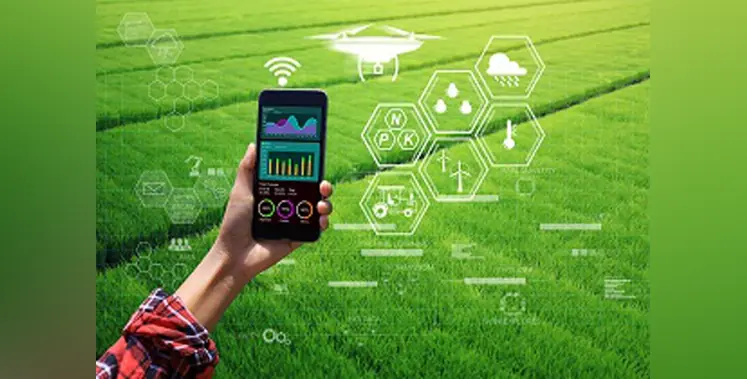
NEC and Fager collaborated to support low emission farming in Thailand