The Philippines is introducing automated greenhouse production in Western Visayas through a Korean-backed project designed to increase the availability of high-value crops and strengthen local agricultural supply chains
In partnership with the Korea International Cooperation Agency (KOICA), the Philippine Department of Agriculture (DA) inaugurated a smart greenhouse on 7 November at the Aklan Agri-Aqua Demonstration Farm and Training Center in Kalibo, Aklan. The opening included the facility's first ceremonial harvest and the activation of its automated systems.
The greenhouse is part of the Value Chain Enhancement of High-Value Crops through Smart Agriculture (VEHCSA) project, which combines modern cultivation methods with farmer training, post-harvest support and market development.
Four pilot sites across Western Visayas
Kalibo is one of four locations selected for the project. The other sites are in Tigbauan, Iloilo; Patnongon, Antique; and Bago City, Negros Occidental.
Funded by the South Korean government through KOICA, VEHCSA has a US$8mn budget and is scheduled to run until December 2027. Its activities include introducing improved production systems and strengthening the skills of farmers and agricultural organisations.
At the Aklan site, annual production by 2027 is projected to reach around 22,000 kg of lettuce, 11,700 kg of bell peppers, 14,300 kg of cherry tomatoes and 4,100 kg of melons. The facility will also grow herbs, according to the Philippine Information Agency.
Iloilo facility adds to regional production capacity
The project reached another milestone on 20 November with the inauguration of its facility in Tigbauan, Iloilo. The site has five smart greenhouses and is expected to produce lettuce, bell peppers, cherry tomatoes, cucumbers and melons.
Its projected output exceeds 74,000 kg of selected vegetables and melons in 2027. The facility is also expected to meet up to 20% of Western Visayas' demand for high-value crops, according to the Philippine News Agency.
The additional capacity could help address regional sourcing challenges. Hotels and restaurants in Western Visayas currently obtain some of their vegetable supplies from other parts of the country, including Baguio and Mindanao. Greater local availability could reduce reliance on distant suppliers and create more opportunities for growers to serve institutional buyers.
Turning production into a viable business
The greenhouses use automated irrigation and environmental controls to manage growing conditions. Such systems can support more consistent cultivation, but their effectiveness depends on skilled operation, appropriate crop selection and reliable access to inputs.
Commercial performance will be equally important. The DA and KOICA are working to connect the facilities with agribusinesses and institutional and private-sector buyers, while providing training and support for farmer organisations.
Securing regular orders and generating sufficient revenue to meet operating costs will be essential to keeping the facilities productive after the project period. Without viable routes to market, investment in greenhouse infrastructure alone may not deliver lasting gains for local growers.
VEHCSA's longer-term contribution will therefore depend on how effectively its production systems, farmer support and market partnerships work together. The four pilot sites will provide an opportunity to assess whether the approach can be sustained and extended to other agricultural communities in the Philippines.
Philippines steps up smart greenhouse farming
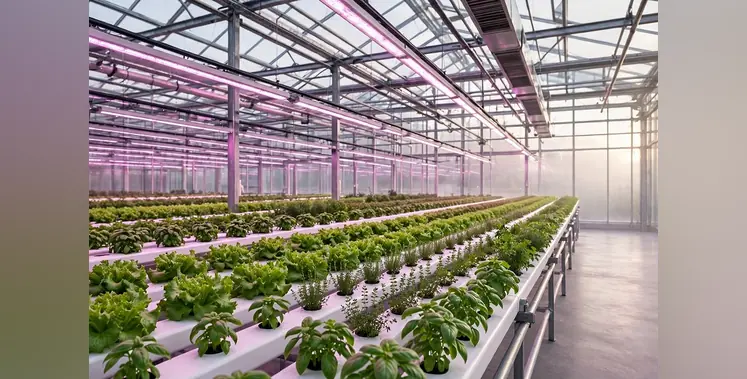
In partnership with the Korea International Cooperation Agency (KOICA), the Philippines Department of Agriculture (DA) inaugurated a smart greenhouse on 7 November at the Aklan Agri-Aqua Demonstration Farm and Training Center in Kalibo, Aklan.