




Researchers in South Korea have introduced two eye catching varieties of the prickly pear cactus, marking a fresh step in the country’s plant breeding efforts.
Developed by the Gyeonggi do Agricultural Research and Extension Services, the new varieties named ‘Dual Label’ and ‘Gold Label’ are set to enter the market this year.
The prickly pear cactus, originally from the tropical rainforests of Brazil, is known for its ability to grow on trees or rocks and for blooming even during the winter season. This makes it especially appealing as an ornamental plant.
The newly developed ‘Dual Label’ variety stands out for its unique flower pattern. Each bloom displays three colours at once, with pink on the outer edges of the petals, yellow in the middle, and white at the centre. This striking contrast sets it apart from traditional single coloured varieties and is expected to attract strong interest from buyers looking for something different.
Meanwhile, ‘Gold Label’ offers a more subtle but equally appealing look. Its flowers carry a soft golden shade with a balanced and uniform shape. Trials carried out on farms have shown that this variety performs consistently, with stable colouring and reliable blooming. These qualities make it well suited for indoor decoration and as a thoughtful gift option.
Both varieties are expected to support the growth of locally developed plants in a market that has long depended on imports. By introducing home grown options, researchers hope to strengthen the domestic industry and offer more choices to consumers.
The development of these varieties is the result of several years of focused work. The research team has spent between five and ten years selecting genetic materials and studying flower colour and shape to better match market demand. This careful approach has helped create plants that are not only attractive but also commercially viable.
Jung Yun-kyung, Director of the Cactus and Succulent Research Institute at the Gyeonggi-do Agricultural Research and Extension Services, said, “We will continue to develop varieties suited to domestic cultivation conditions and strengthen data-driven breeding to lead the development of new floral varieties.”
South Korea introduces striking new prickly pear cactus varieties
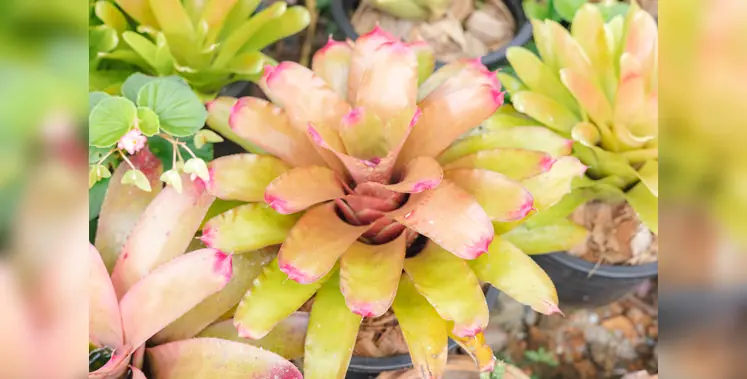
South Korea introduces striking new prickly pear cactus varieties