




Vietnam’s appetite for imported meat continued to grow in 2025, with total purchases surpassing US$2bn for the first time.
The country imported around 978,300 tonnes of meat and meat products during the year, reflecting strong consumer demand and expanding needs within the food processing sector.
Figures compiled by the Import and Export Department under the Ministry of Industry and Trade, together with the General Department of Customs, show that Vietnam spent more than US$2.004bn on meat imports in 2025. Compared with the previous year, import volumes rose by 11.6 per cent, while the overall value increased by 12.2 per cent. The rise points to a steady shift in consumption patterns, with more households and businesses turning to imported animal protein.
India remained Vietnam’s largest supplier. The country exported 188,700 tonnes of meat to Vietnam, valued at US$681.32mn, accounting for nearly one fifth of total import volume.
Frozen pork was one of the fastest growing segments. Imports reached 183,400 tonnes, worth US$418.54mn. This marked an increase of 18.75 per cent in volume and almost 21 per cent in value compared with 2024.
Vietnam relied heavily on Russia for frozen pork, which supplied 48.44 per cent of total imports in this category. Brazil followed with a 30.91 per cent share, underlining the importance of both countries in meeting Vietnam’s protein needs.
The average import price of frozen pork stood at roughly US$2,273 per tonne. This increase came at a time when domestic live hog prices in early 2026 fluctuated between USD 2.65 and 3.30 per kilogramme, creating additional pressure along the supply chain.
While imports surged, exports remained limited. In 2025, Vietnam exported only 22,300 tonnes of meat, generating US$116.49mn in revenue. Hong Kong remained the largest destination for Vietnamese meat, although shipments to the market declined by more than 21 per cent compared with the previous year.
The figures highlight a widening gap between Vietnam’s import demand and its export capacity, as domestic consumption continues to outpace overseas sales.
Vietnam’s meat imports exceed US$2bn as demand climbs
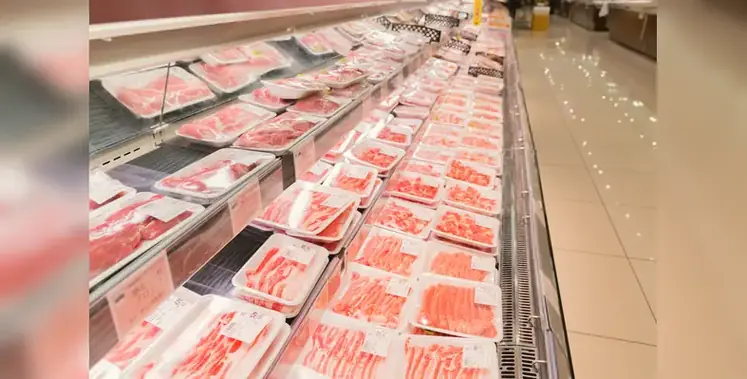
Vietnam’s meat imports exceed US$2bn as demand climbs.