



As pressure mounts on livestock producers to deliver strong animal performance while reducing environmental impact, EuroTier 2026 will present practical, evidence-based solutions across feeding management, emission reduction and alternative protein sourcing.
Scheduled for November 10-13, 2026, in Hanover, Germany, the event brings together global innovators in livestock nutrition under the guiding theme "Intelligence in Animal Farming."
The DLG Spotlight "Emission Reduction" at EuroTier 2026 will examine the practical role that feeding plays in reducing ammonia and greenhouse gas emissions in pig and poultry production - two sectors where nutritional strategies have demonstrated clear environmental benefits.
In pig production, reducing dietary crude protein concentration is among the most direct levers available. Research indicates that cutting crude protein by one percentage point typically lowers ammonia emissions by approximately 10 percent. Achieving this without compromising performance requires precise formulation based on digestible amino acids rather than total crude protein, a shift that is increasingly becoming standard practice among progressive producers.
In poultry operations, the same principles apply: precisely matching dietary nitrogen and phosphorus concentrations to actual animal requirements reduces nutrient surpluses entering soil, water and air. The Spotlight will connect visitors directly with exhibitors and technical experts offering practical solutions that align environmental compliance with productive, cost-efficient operations.
Alongside emission reduction, alternative protein sources are drawing growing attention in animal nutrition. EuroTier 2026 will provide a forum for examining how novel ingredients can meet the amino acid requirements of livestock, reduce dependence on conventional protein meals and support more resilient, diversified feed supply chains.
For ruminant producers, the connection between forage quality and feeding efficiency is direct. High-quality silage and conserved forage reduce the need for supplemental concentrates, lower feed costs and support both animal performance and reproductive efficiency. Consistent forage analysis, regular re-sampling of silage inventories and precise ration adjustment are among the practices that translate improved forage into measurable farm profitability.
EuroTier 2026 take on Livestock Feeding
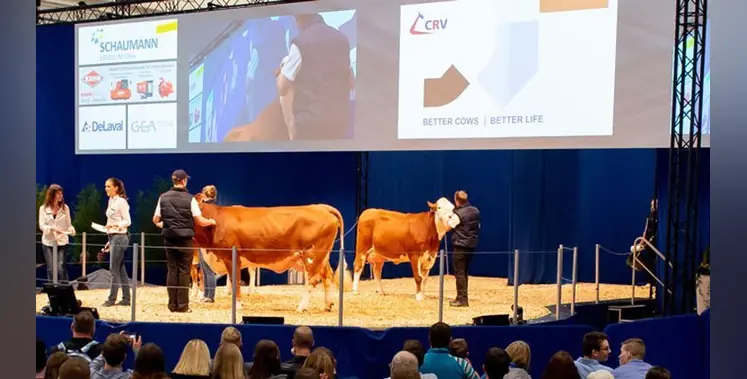
EuroTier 2026 Addresses Feed Efficiency and Emission Challenges Across Livestock Sectors.(Image credit: DLG)