



The recent confirmation of Nipah virus cases in eastern India has brought renewed attention to one of the world’s most dangerous zoonotic diseases.
Although health officials have confirmed that the outbreak is limited and under control, anxiety is growing among farmers and livestock owners who depend on healthy animals for their livelihoods. A key concern is whether Nipah virus can affect farm animals such as cows and buffalo, and whether agriculture could face indirect losses.
Nipah virus belongs to the Henipavirus family and was first identified during the 1998–99 outbreak in Malaysia. That event highlighted how animal to human transmission can accelerate infections, particularly when livestock are involved. Since then, several outbreaks have been reported across South and Southeast Asia, including India, often with severe consequences for human health.
Fruit bats of the Pteropus species are known to be the natural hosts of the virus. These bats do not show symptoms but shed the virus through saliva, urine and droppings. Humans may become infected by consuming contaminated food, coming into contact with infected animals or through close contact with infected people. In humans, illness can range from mild fever to severe respiratory distress and encephalitis, with fatality rates reported between 40 and 75 percent.
For the farming community, the most pressing question is the risk to cattle and buffalo. Current scientific evidence shows that pigs are the only confirmed domestic animals that can amplify and spread Nipah virus. While antibodies have been detected in some animals like goats, horses and pets, there is no confirmed evidence of natural infection or disease in cows or buffalo. Importantly, no human Nipah cases have ever been linked directly to cattle or dairy animals.
However, India’s mixed farming systems mean humans, livestock and wildlife often share the same spaces. Fruit bats may contaminate fodder, grazing land or water sources. Even if cattle do not become ill, they could unintentionally carry contaminated material closer to people.
Experts stress that there is no need for panic. Milk and meat from healthy animals remain safe, and no restrictions have been placed on livestock trade. Simple hygiene, protected feed storage and awareness are key. As environmental change brings people and wildlife closer together, Nipah virus serves as a reminder that animal health and human health are deeply connected.
Nipah Virus outbreak: a guide for rural communities
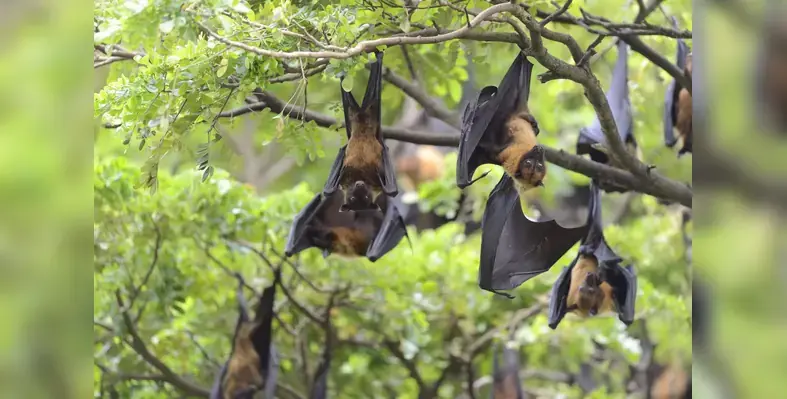
Several outbreaks have been reported across South and Southeast Asia.(Image credit: WHO)