India has developed its first indigenous inactivated vaccine for chickens against the H5N1 strain of highly pathogenic avian influenza (HPAI), adding a new tool to the country's efforts to strengthen poultry disease control
The vaccine was developed by the Indian Council of Agricultural Research's National Institute of High Security Animal Diseases (ICAR-NIHSAD) in Bhopal. The Union Ministry of Agriculture and Farmers Welfare announced on 18 November that Agriculture Minister Shivraj Singh Chouhan would dedicate the vaccine to the nation on 20 November. A government release issued the following day said the event would also include the formal transfer of the vaccine technology.
The formulation targets H5N1 Clade 2.3.2.1a, which government-referenced studies identify as responsible for most outbreaks of bird flu in chickens. It is intended to protect against strains of the clade circulating in India. The ministry said no specific commercial vaccine was available for this variant. The focus reflects the need for a vaccine suited to the virus currently affecting domestic poultry populations.
A response to recurring poultry disease risks
Highly pathogenic avian influenza can cause severe illness and high mortality in poultry. Outbreaks may require culling infected flocks and restricting bird movements, disrupting production, trade and farmers' incomes.
India has reported more than 500 combined outbreaks involving H5N1 and H5N8 since the disease was first detected in the country in 2006, according to the Ministry of Agriculture and Farmers Welfare. The 2006 outbreak alone caused estimated direct and indirect losses of Rs 2,200 crore to Rs 3,000 crore.
The effects can extend across the poultry value chain. Reduced bird numbers affect production, while movement and sales restrictions can disrupt supplies, prices and market access. Such pressures can also unsettle production schedules and weaken confidence among businesses operating in the sector.
The ministry has also reported H5N1 infections in other animal species, including mammals, as well as in three humans. Strengthening control in poultry is therefore important for animal health and for limiting opportunities for wider transmission.
Technology transfer is the next step
The 19 November announcement said the vaccine technology would be formally transferred at ICAR-NIHSAD in Bhopal on 20 November. Senior ICAR officials, including the organisation's director general and the secretary of the Department of Agricultural Research and Education, were expected to attend.
The transfer is intended to help move the research output beyond the institute. However, government announcements available at the time of writing did not specify a commercial manufacturer, production capacity, price, supply schedule or when poultry farms could access the vaccine. They also did not outline a national vaccination programme or explain how vaccination would fit into existing outbreak-control measures.
For poultry producers, the practical value of the development will depend on the vaccine reaching farms in sufficient quantities and being incorporated into an effective disease-control strategy. Any vaccination effort would need to complement surveillance, farm biosecurity, movement controls and prompt reporting of suspected infections.
India's indigenous H5N1 vaccine marks progress in developing domestic tools for poultry health. Its contribution will depend on successful technology transfer, manufacturing and clear guidance on its use.
India develops first indigenous H5N1 vaccine for chickens
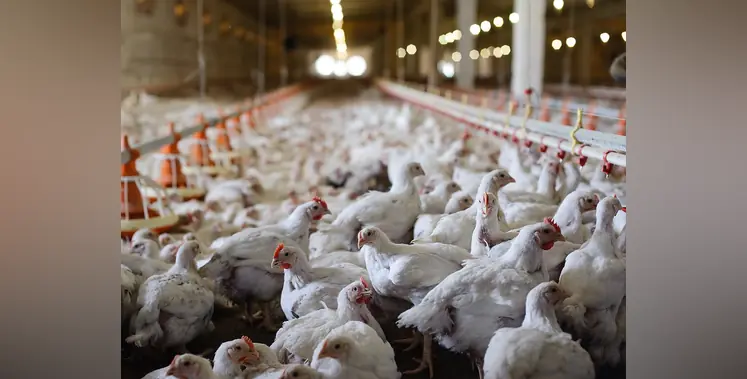
India’s first indigenous H5N1 vaccine for chickens targets Clade 2.3.2.1a, a genetic subgroup of the bird flu virus responsible for most outbreaks in the country's poultry sector.