




A poultry farmer in Taichung has been detained and held without contact after prosecutors uncovered alleged illegal practices linked to the disposal of dead chickens following an avian influenza outbreak.
The case has drawn widespread attention, highlighting concerns around biosecurity, food safety and environmental protection in Taiwan’s agricultural sector.
The Taichung District Court approved the detention of the farmer, surnamed Yun, who operates Fengkang Egg Ranch in the Fongyuan District. The court ruled that there were sufficient legal grounds and a clear necessity to keep him in custody while investigations continue. Authorities believe Yun attempted to hide the outbreak rather than follow mandatory disease control and waste disposal procedures.
According to investigators, chickens at the farm began showing signs of avian influenza, with a sharp rise in deaths soon after. Instead of reporting the situation to authorities, Yun allegedly buried some of the dead poultry at his own residence. Others were reportedly transported to neighbouring Miaoli County, where they were dumped and buried on privately owned land.
That land belongs to another suspect, surnamed Yen. Prosecutors say Yen allowed hazardous waste to be buried on his property without official approval. He was later released on US$200,000 bail and placed under travel and residence restrictions.
Law enforcement officials carried out searches at the egg farm and Yun’s home, questioning Yun, two farm employees and Yen. After further interrogation, prosecutors stated that Yun is suspected of violating the Waste Disposal Act by illegally dumping hazardous business waste, failing to handle waste correctly as a business operator and committing fraud. Yen faces allegations of unlawfully permitting hazardous waste disposal on his land.
Local government officials have sought to reassure the public that the avian influenza outbreak has been successfully contained. All chickens at the affected farm were culled, while large volumes of eggs, animal feed and bedding materials were destroyed as a precaution. Authorities confirmed there is no evidence the disease spread to other farms.
The incident has reignited public debate around farm regulation, disease prevention and the responsibility of agricultural operators to protect public health and the environment.
Taichung egg farmer's legal troubles
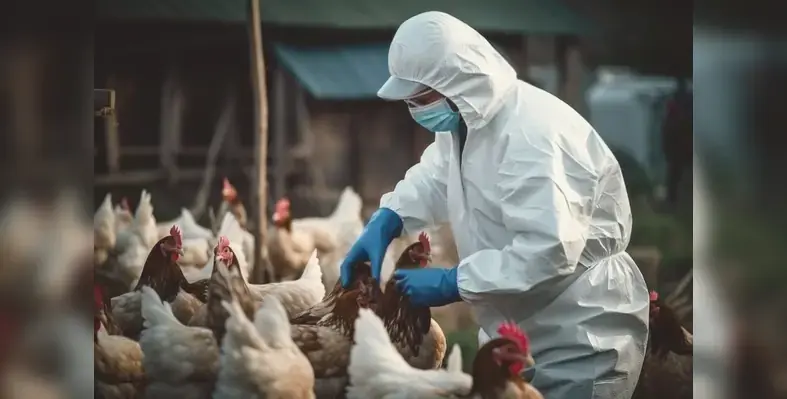
Taichung egg farmer's legal troubles.