




Vietnam’s poultry industry is moving toward greener and more sustainable practices, marking a significant shift from traditional farming methods.
The Vietnam Poultry Association (VPA) outlined its plans for 2026 during its 2025 annual review conference held on March 6 in Ho Chi Minh City. The past year has been a turning point for the sector, signalling a clear commitment to sustainable and efficient production systems.
The VPA currently has 318 members, including 103 enterprises and cooperatives alongside 215 individual members. Over 2025, the association strengthened its governance by introducing 15 internal regulatory frameworks, consolidating six specialised committees, and opening a representative office in Ho Chi Minh City. These measures enhanced operational efficiency, transparency, and support for members.
Nguyen Quy Khiem, VPA Vice Chairman and General Secretary, said the association actively assisted member enterprises through communication campaigns, seminars, trade fairs, and both domestic and international trade promotion initiatives. These efforts have helped businesses expand partnerships and access new markets.
Member enterprises continue to play a central role in the poultry value chain. In 2025, they produced an estimated 530 to 550 million day-old chicks, accounting for 65 to 70 percent of the national supply, including 310 million coloured-feather chickens, 120 million white-feather broilers, and nearly 100 million ducklings. These products met domestic demand and were exported to Laos, Cambodia, and Myanmar.
VPA members also dominate poultry feed production, holding 60 to 65 percent of the domestic market. Several companies have developed large-scale veterinary medicine and vaccine production, exporting to over 50 countries and territories. Investments in modern slaughtering and processing lines have created fully integrated value chains, improving the overall value of poultry products.
A key achievement in 2025 was stabilising the market amid misinformation about ‘fake eggs’. The VPA worked closely with authorities and media to restore consumer confidence. Egg prices recovered from around US$0.05–0.06 per egg to US$0.07–0.08 by mid-year, and currently range between US$0.09–0.10.
At the conference, Chairman Nguyen Thanh Son noted upcoming challenges, including global market volatility, rising input costs, import competition, and stricter environmental and animal welfare standards. In response, the VPA plans to strengthen trade promotion, expand exports, provide more training for members, and continue supporting sustainable growth in the poultry industry.
Vietnam Poultry Association drives sustainable growth in the sector
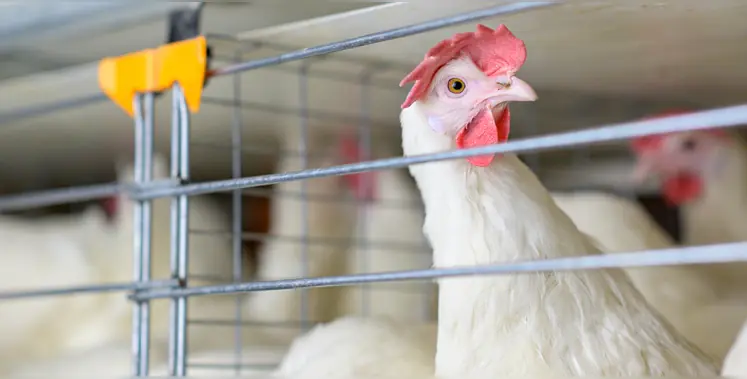
Vietnam Poultry Association drives sustainable growth in the sector.