



cc.web.local

twitter Linkedin acp Contact Us

DLG recognises Futuro Farming’s Calf Monitoring System

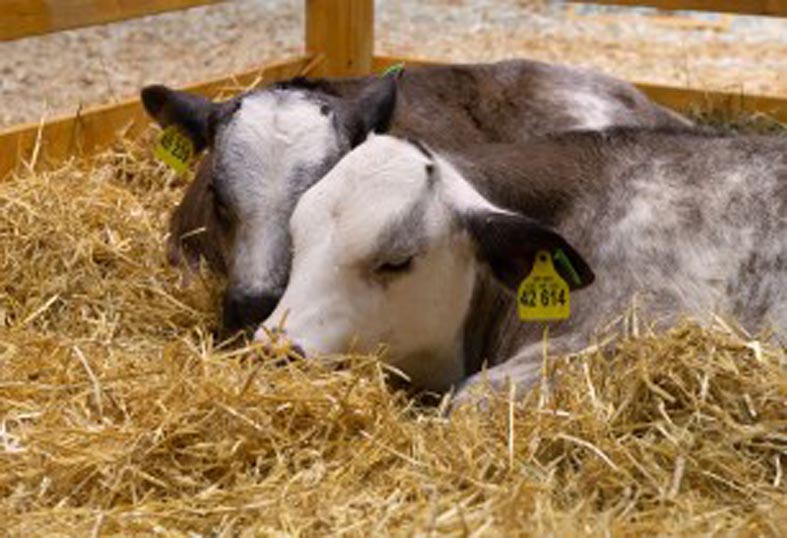
The Calf Monitoring System uses a precise, energy-saving and above all non-invasive infrared sensor. (Image source: DLG/EuroTier)

As part of the DLG innovation scheme ‘EuroTier 2021 Innovation award’, Futuro Farming’s Calf Monitoring System was recognised for its special achievements in higher animal welfare standards

The award-winning system developed by Futuro Farming enables effective health monitoring of each calf in the herd through continuous calf monitoring and quick feedback to the farmer. The official award ceremony will take place during the ‘EuroTier digital/EnergyDecentral digital’ events on 10 February 2021. 

The Animal Welfare Award, which was launched at the last EuroTier exhibition in 2018, is jointly presented by the DLG (German Agricultural Society) together with the German Association of Veterinary Practitioners (bpt - Bundesverband Praktizierender Tierärzte). In accordance with the evaluation criteria of the Animal Welfare Award, a product awarded a EuroTier gold or silver medal and which additionally meets the requirements for a higher animal welfare standard is recognised in this category also.

Innovations in the areas of animal welfare and animal health are determining factors for this award recognition. Products that promote the natural animal behaviour typical for the species, including poultry, dairy, cattle and pigs, and which positively support the health of the animals are thus particularly highlighted.

“Technological innovations often advance animal health and therefore animal welfare faster than new regulatory frameworks. With the Animal Welfare Award, we are providing targeted incentives for the industry to develop products that are appropriate for animal welfare,” said Dr Siegfried Moder, president of the German Association of Practising Veterinarians (bpt).

“A future-oriented agriculture needs to encourage innovation. The innovation award scheme at EuroTier offers the appropriate platform for this. The winner of the Animal Welfare Award 2021 is convincing proof of the trend-setting importance of international animal husbandry technology,” said DLG President Hubertus Paetow, underlining the importance of technical innovation for the livestock industry of the future.

Animal Welfare Award: Portrait of the winner

The Animal Welfare Award 2021 is presented to the ‘Calf Monitoring System’ developed by Futuro Farming, a company based in Regensburg, Germany. The new system enables effective health monitoring of each calf in the herd through continuous calf monitoring and rapid feedback to the farmer.

The Calf Monitoring System, which has been developed to offer early detection of diseases in calves, uses a precise, energy-saving and above all non-invasive infrared sensor. Recognising the calf’s behavioural pattern, the sensor collects data that is then evaluated in real time by an AI algorithm, which generates a prognosis for potential diseases. This information is made available to the farmer directly via an app and online platform.

Continuous monitoring of the calf and quick feedback to the farmer ensure that developing diseases can be detected earlier and therefore treated earlier. By treating a calf more quickly, especially in the first few days of its life, the monitoring system may directly contribute to the health of the calf and its longevity, thus significantly improving animal welfare.

Award ceremony at the ‘EuroTIer digital/EnergyDecentral digital’ Exhibition

The official presentation of the Animal Welfare Award will take place on 10 February 2021 during the ‘EuroTier digital/EnergyDecentral digital’ events. Next year, EuroTier the world’s leading trade fair for animal production, and EnergyDecentral, the leading international trade fair for innovative energy production, will be held exclusively as a digital version, 9-12 February 2021. An extensive digital technical program on current topics of international livestock farming will be inviting animal husbandry professionals to the digital trade fair platform over four days to exchange ideas with experts from all over the world, get to know the latest offers from exhibitors and network with exhibitors and visitors in a targeted manner.

Top Stories

Grid List

Ottevanger Services provides comprehensive support to feed producers. (Image credit: Ottevanger)

Agriculture

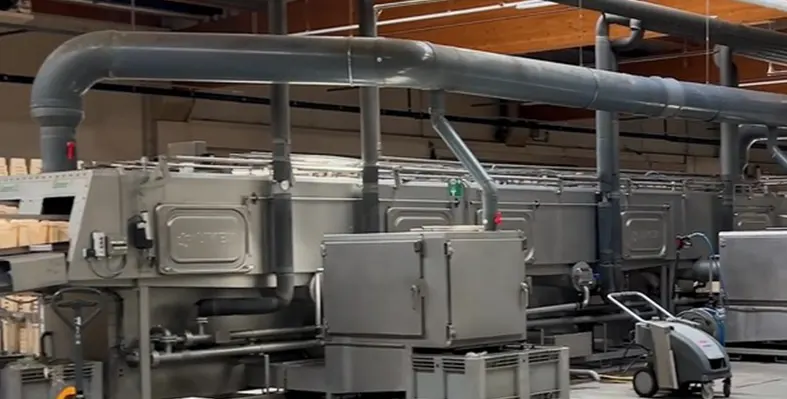
Triott Group has announced a major strategic step by bringing all its feed-related businesses together under a single, globally recognised name: Ottevanger.

With immediate effect, Ottevanger, Almex, Inteqnion, IVS Dosing Technology and Pelleting Technology Netherlands (PTN) will operate as one unified brand, reinforcing Ottevanger’s position as a leading global partner to the feed industry.

Based in Moerkapelle, the Netherlands, this consolidation represents a new chapter in Ottevanger’s long-term vision to provide complete, future-ready solutions for feed mills worldwide. By integrating these specialist companies under one name, customers benefit from a single point of contact, enhanced transparency and a more streamlined approach to project delivery and long-term collaboration.

The move also strengthens internal cooperation across disciplines, enabling Ottevanger to design and deliver tailored solutions that respond to the rapidly evolving demands of the global feed sector, including automation, digitalisation and sustainability.

Following the consolidation, Ottevanger now operates through four fully integrated business units, each designed to address both current operational challenges and future industry needs. Ottevanger Milling Engineers focuses on the design and construction of fully automated, turnkey feed mills, including both conventional and modular concepts. Ottevanger Process Solutions delivers high-quality equipment and advanced processes, supporting data-driven, fully automated milling from raw material intake through to packaging.

Meanwhile, Ottevanger Services provides comprehensive support to feed producers, including reliable on-site and remote maintenance, troubleshooting and spare parts supply. Completing the structure, the Ottevanger Development Centre looks to the future by optimising feed mill performance through practical research and development, testing and the creation of sustainable, next-generation solutions.

Commenting on the milestone, Director Ernst Jan Ottevanger said: “For more than a century, Ottevanger has been a family business, built on the finest Dutch quality and craftsmanship. Now we are formally extending our family to welcome these four trusted partners that have already contributed so much to our collective success based on the same shared values.” He added: “This is a significant moment for our company, but more importantly, for our customers worldwide. We are now far better placed to deliver the innovation and lifetime value they need to compete more effectively.”

Ottevanger will continue its close collaboration with Top Silo Constructions (TSC) to deliver advanced feed storage solutions, while TSC remains independent due to its diverse customer portfolio.

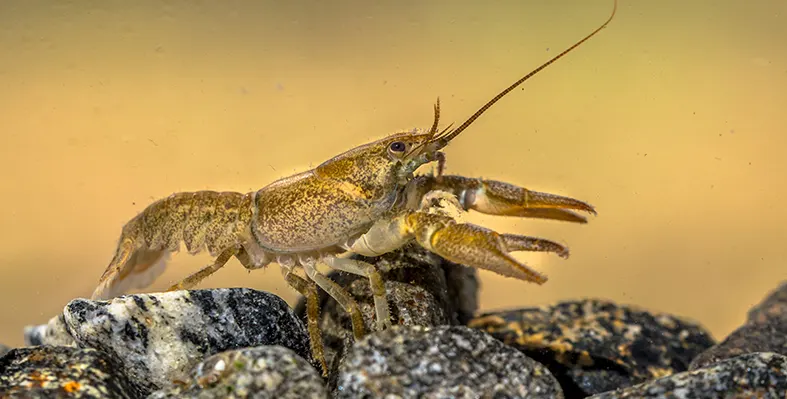
Crayfish provide a nutrient-dense, low-impact protein source that requires minimal feed.

Aquaculture

The Philippines has taken a decisive step toward strengthening its position in global aquaculture with the launch of its largest crayfish nursery—a flagship development designed to scale production of the high-value Australian Redclaw crayfish.

The project, built through the partnership of Farm Fresh Early Catch Inc., Taiwan’s Da Shin Biotech Ltd., and the Department of Agriculture’s Bureau of Fisheries and Aquatic Resources (DA-BFAR), marks a defining moment for the country’s fast-growing aquaculture sector.

The new nursery will focus on mass-producing Cherax quadricarinatus, a resilient and fast-growing species prized by both domestic and international markets. Government officials say the initiative supports national efforts to strengthen food security while boosting long-term livelihood opportunities in rural areas.

Agriculture Secretary Francisco P. Tiu Laurel Jr., in remarks delivered by Assistant Secretary and spokesman Arnel de Mesa, highlighted the power of collaboration behind the facility. “Built through the partnership of Farm Fresh Early Catch Inc., Da Shin Biotech, and the DA-BFAR, this nursery shows that when government, private innovators, and fisherfolk come together, progress stops being a dream—it becomes our shared reality,” he said.

Tiu Laurel added that crayfish aquaculture “opens new doors for our fisherfolk—bringing in more income, more livelihood, and more food on our tables,” while underscoring the need for responsible production and adherence to BFAR’s ecological protection guidelines. Every pond, he said, must “nurture care, discipline, and respect for the balance of our ecosystems.”

Situated in Candaba - a wetlands area renowned for its freshwater abundance—the 1,280-square-metre facility features 16 tanks capable of producing up to 48,000 fry every two weeks. It also introduces advanced water-recycling systems that help reduce waste and conserve freshwater, addressing one of the most common environmental criticisms of aquaculture operations.

The nursery will supply Farm Fresh’s existing 3-hectare grow-out ponds, which already produce around 30 tonnes of market-ready crayfish each year. It will also support a broad network of partner growers as production expands nationwide.

From 2026, Farm Fresh plans to roll out large-scale grow-out operations covering 1,500 hectares in Luzon and 750 hectares each in the Visayas and Mindanao. When these sites reach full capacity, they are projected to deliver more than 1,200 tonnes of crayfish every six months—volumes that could position the Philippines as a competitive player in the regional and global aquaculture market.

Crayfish provide a nutrient-dense, low-impact protein source that requires minimal feed. The project is expected to generate over 3,000 direct jobs and stimulate additional enterprise in farming communities.

The launch marks the beginning of a world-class crayfish industry designed to place the Philippines firmly on the global aquaculture map.

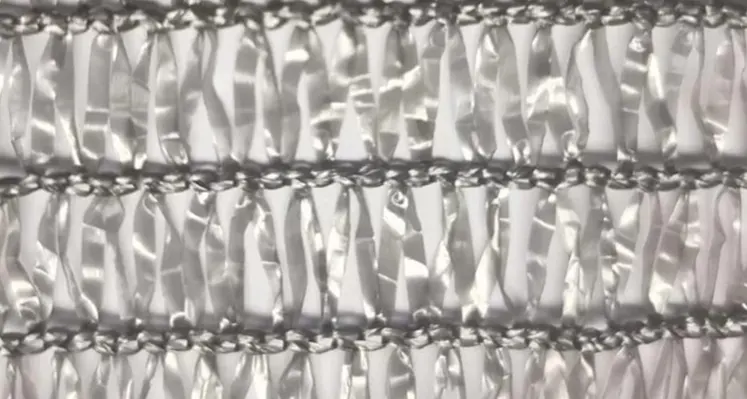
Hydroponic Systems recommends the Agrifresh aluminium thermodiffuser mesh as a proven solution. (Image credit:Hydroponic Systems)

Equipment

Hydroponic Systems is helping greenhouse growers tackle the challenge of optimising microclimates without compromising light or productivity.

In warm regions, particularly for heat-sensitive crops like strawberries, tomatoes, and peppers, managing radiation, temperature, and heat stress is critical. Heat-diffusing mesh has become an essential tool in balancing light levels and reducing heat buildup inside greenhouses, proving to be one of the most effective solutions for these challenges.

The mesh works by partially blocking infrared radiation while allowing useful diffuse light to pass through. This reduces internal temperatures, alleviates heat stress, and sustains photosynthetic activity. According to Hydroponic Systems, this approach helps "improve fruit quality, reduce plant stress, and stabilise growing conditions," especially during periods of high radiation.

The mesh achieves this through a combination of light diffusion and thermal reflection. The diffusion process disperses light, preventing hot spots and ensuring even distribution of photosynthetically active radiation (PAR) across the plant canopy. This enables middle and lower leaves to contribute more effectively to photosynthesis. Aluminium particles embedded in the polymer structure reflect infrared radiation, which helps control heat accumulation. The result is a more stable greenhouse environment with fewer temperature spikes.

Hydroponic Systems recommends the Agrifresh aluminium thermodiffuser mesh as a proven solution. This patented fabric creates an effective thermal barrier without compromising light quality. According to the company, it works best in professional greenhouses of around half a hectare or more, where managing temperature and radiation is crucial for maintaining high yield and quality.

In practice, reduced infrared radiation leads to lower heat accumulation and fewer temperature fluctuations, especially during critical growth stages. Increased diffuse light improves PAR distribution, supports stable photosynthesis, and reduces the risk of heat stress. As a result, growers experience "more uniform fruit, fewer deformities, and better colour and firmness."

Strawberries, in particular, show significant benefits, with improved uniformity, firmness, colour, and crop stability. Similar positive trends have been observed in tomatoes, peppers, cucumbers, and other crops.

For optimal performance, proper installation is key. Correct height, tension, and orientation affect the mesh's effectiveness. Hydroponic Systems advises careful integration with ventilation systems for best results.

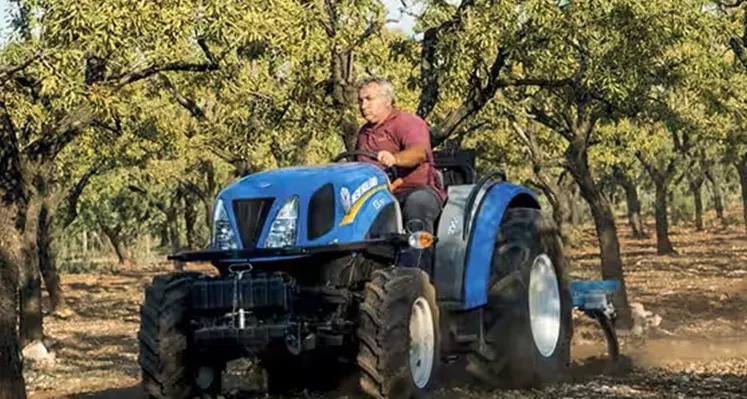
The latest generation of Braud harvesters demonstrates impressive versatility across a wide range of vineyard structures. (Image credit: New Holland)

Machinery & Equipment

New Holland Agriculture continues to set new standards in modern viticulture with its acclaimed Braud grape harvester range - a series celebrated globally for precision, productivity and long-lasting reliability.

Built on decades of specialist expertise, the Braud brand has become synonymous with exceptional grape-harvesting performance, and under the New Holland umbrella it remains a trusted partner for winemakers seeking both efficiency and gentle crop handling.

Each Braud harvester reflects a signature blend of engineering excellence and vineyard-friendly design. The machines are created to treat vines with care while delivering powerful harvesting capability, ensuring that grapes are collected cleanly and with minimal damage. This focus on protecting fruit integrity directly enhances vineyard productivity and supports the production of higher-quality wines.

The latest generation of Braud harvesters demonstrates impressive versatility across a wide range of vineyard structures. With both high-capacity and extra-high-capacity models, including the popular 9000 L and 9000 X series, the range adapts effortlessly to narrow boutique vineyards, expansive commercial estates, and even sloped terrain. Their advanced systems  such as the industry-proven Noria basket conveying system, optional destemmer technology, and innovative side-conveyor configurations  ensure consistently clean, gentle and efficient fruit handling.
This adaptability makes Braud harvesters an ideal choice for growers looking to streamline operations while maintaining strict quality standards. Backed by a global legacy and trusted by thousands of vineyard operators, these machines are built to deliver season after season, reducing labour needs, improving harvest speed, and preserving overall vine health.

Engineered for durability and operator comfort, the Braud range combines robust construction with intuitive controls, offering ease of use without compromising on precision. The result is a harvester that not only boosts productivity but also supports sustainable agricultural practices, helping vineyards reduce waste and optimise long-term output.

Choosing a Braud grape harvester means investing in a heritage of innovation, reliability and world-leading vineyard technology  giving growers confidence in every harvest and reinforcing New Holland’s reputation as a champion of next-generation viticulture solutions.