


cb.web.local

twitter Linkedin acp Contact Us

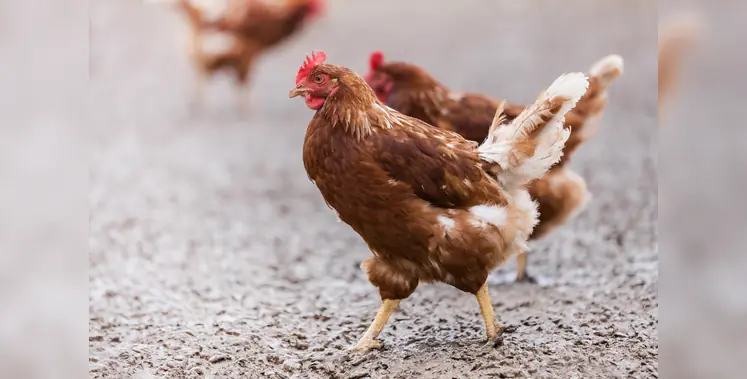
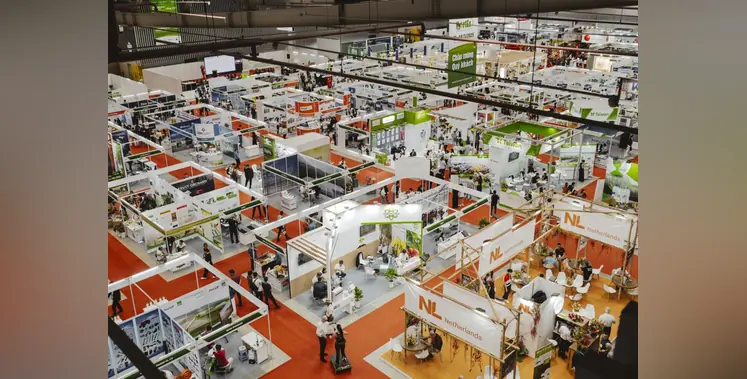
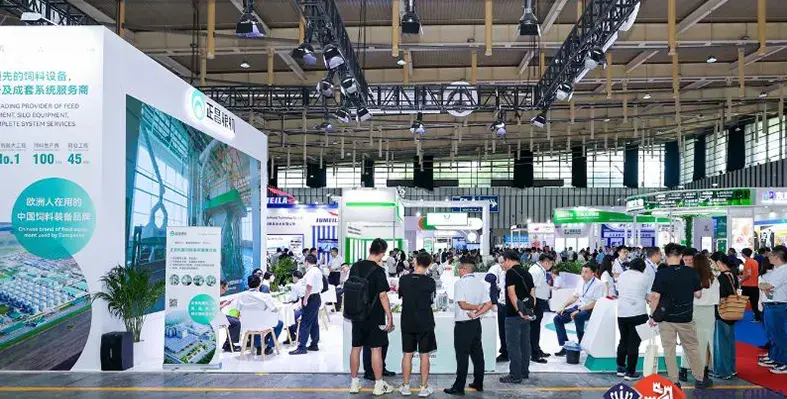
VIV Select China returns to Nanjing in September 2025, building on momentum from its 2024 showcase. (Image source: VIV Select China)

Visitor pre-registration is officially open for VIV Select China 2025, the leading event spotlighting cutting-edge developments and business partnerships in China’s animal protein industry

Taking place from 10–12 September at the Nanjing International Expo Center, the show will bring together top professionals and innovators from across the swine and poultry value chain, including feed and feed additive solutions, animal health, veterinary products, breeding and farming equipment, and egg processing technologies.

Spanning 48,000 sq m, this expansive exhibition will welcome over 500 exhibitors, including prominent Chinese companies such as Big Herdsman, Guangzhou Guangxing, Nxin, Famsun, Zhengchang, Shandong Kaicheng, Melan Group, Zhongmu, Kexing, Ruisheng, Dongxiao, and Highvarve.

Spotlight on the new AI+ smart farming zone

New to this year’s event is the AI+ Smart Farming Area, a space dedicated to showcasing the integration of artificial intelligence, the Internet of Things (IoT), and sustainable agricultural technologies. This feature allows attendees to explore advanced digital breeding and precision production management tools. With a strong focus on global supply chain integration and sustainable scaling, this area embodies the event’s commitment to driving digital evolution in agriculture. As the sector reconvenes face-to-face, the event promises to offer meaningful connections and high-value commercial opportunities.

Main conference themes: AI, sustainability, global growth

The conference will follow a three-part thematic structure centered on: “Technological Breakthroughs (AI & Smart Farming), Green Transformation (Low-Carbon/Circular Economy), Global Collaboration for Overseas Expansion (Standards/Supply Chain)”.

These topics will explore how smart technologies and AI are optimising output and quality in animal protein production, enabling the transition to low-carbon practices, and facilitating circular economy models for better resource efficiency and reduced waste.

The VIV International Summit encourages shifting from domestic competition to global collaboration. Its focus: moving from product-only exports to full-chain partnerships and establishing robust, standardised supply systems to support the sustainable internationalization of China’s livestock sector. AgriBITs, launching in China for the first time, will provide a worldwide lens on AI, automation, and digitization trends impacting the livestock space.

Empowering connections with Hosted Buyer Program

To maximise business development, VIV Select China 2025 is continuing its Hosted Buyer Program, designed to connect exhibitors with qualified procurement professionals. Applicants approved via the official website’s Hosted Buyer section will receive exclusive perks including complimentary accommodation and access to V-Match, a bespoke business-matching service.

V-Match, launched in 2024, simplifies the buyer-exhibitor experience by curating meetings based on pre-screened profiles in a dedicated networking lounge. The last edition of this programme recorded 298 successful matches, reflecting its efficiency in generating real business leads.

Easy travel and international access

In support of international participation, China has expanded its visa-free entry policy to include 34 countries, with transit stays now extended up to 240 hours. To further streamline visitor access, Nanjing has introduced a new digital hub called “In-Nanjing”, offering seamless support services to incoming global guests.
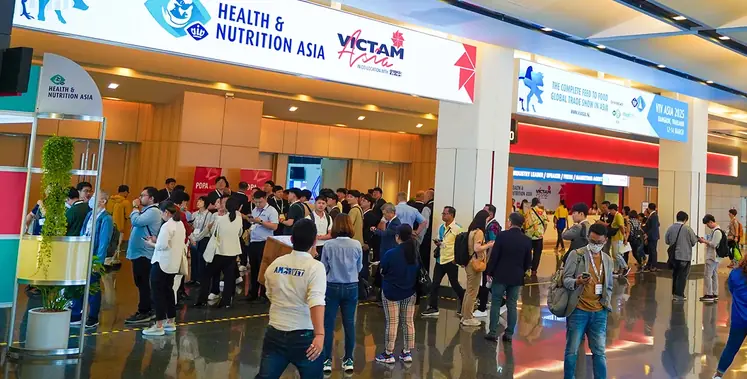
 

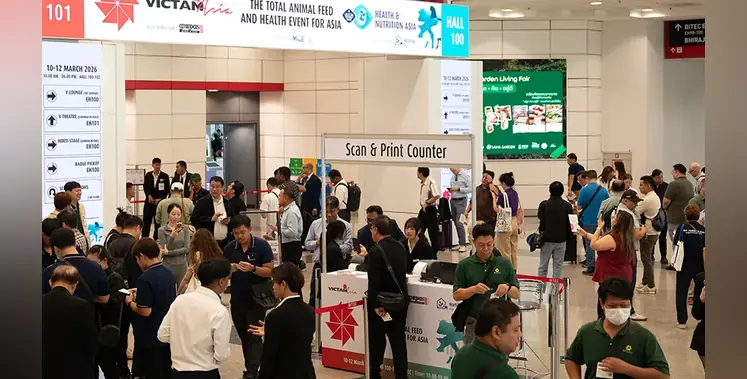
Set to Unite the Animal Feed and Nutrition Industry in Bangkok. (Image Credit: VIV Health & Nutrition)

With the opening just around the corner, VICTAM Asia 2026 and Health & Nutrition Asia 2026 are preparing to welcome industry professionals from across the region to one of Asia’s most comprehensive platforms for the animal feed, grain and animal health sectors.

The co located exhibitions will take place from 10 to 12 March 2026 at BITEC in Bangkok, bringing together technology providers, nutrition specialists, feed producers and industry leaders under one roof.

The events arrive at an important moment for the sector as producers across Asia work to improve efficiency, strengthen biosecurity and adopt more sustainable production practices. By connecting innovation, expertise and business opportunities, the exhibitions create a strong meeting point for companies looking to explore new technologies and build lasting partnerships within the regional food production and supply chain.

VICTAM Asia is globally recognised for its focus on feed, flour and grain processing technologies. When combined with Health & Nutrition Asia’s expertise in animal nutrition and health solutions, the platform offers visitors the chance to explore the full value chain in a single visit. From feed ingredients and animal health products to advanced production technologies, the exhibitions present a complete overview of solutions supporting modern livestock production.

Health & Nutrition Asia 2026 returns to Bangkok as a leading gathering for innovation in animal nutrition and health. The exhibition is expected to host more than 300 international exhibitors and attract over 9,000 industry professionals from across Asia. Visitors will gain direct access to global suppliers, new technologies and practical solutions designed to improve productivity and performance across poultry, swine, aquaculture, cattle and dairy sectors.

Ms. Natasha Hall, Senior Project Manager, VIV Worldwide, said,“Health & Nutrition Asia is designed to create meaningful industry connections by bringing together experts, solution providers, and decision-makers in one focused environment. The event enables open dialogue, cross-border collaboration, and knowledge exchange that help businesses respond faster to market changes and unlock new opportunities across Asia’s rapidly evolving animal protein sector.”

VICTAM Asia 2026 will also feature strong participation from international suppliers and key markets across Southeast Asia. With more than 300 exhibitors expected, the event continues to serve as a dedicated platform for feed and grain processing technologies.

As Sebas van den Ende, General Manager of VICTAM added, "This year’s event once again brings the animal feed industry across Asia together. At Victam, our mission is not just to unite the industry, but to drive real progress. With 300 exhibitors, themed exhibition days, and targeted trade missions from across Asia, we connect visitors directly with the suppliers that truly matter. Quality remains at the heart of Victam. In content, connections, and sustainable business outcomes.”

Alongside VICTAM, GRAPAS Asia 2026 will focus on grain handling, rice milling and flour processing, strengthening the region’s grain value chain. As the grain and feed sectors become increasingly interconnected, the event offers a dedicated space for suppliers and decision makers to engage with the latest technologies and solutions.

As Yvonne Kaal, Event Manager of VICTAM & GRAPAS Asia, said, “GRAPAS Asia has become a strategic pillar within our international platform. As grain and rice processing continue to professionalise across Southeast Asia, the industry requires a clearly defined and specialised meeting place. With GRAPAS Asia 2026, we are reinforcing that position and providing focused visibility for suppliers and decision-makers shaping the region’s grain sector.”

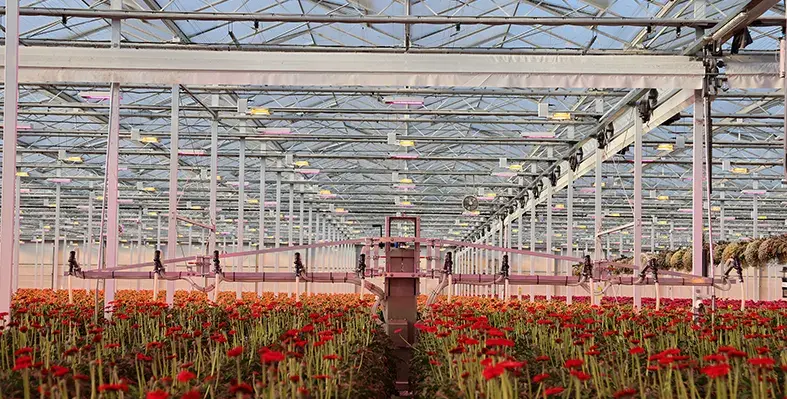
HortEx 2026 set the stage for the future of farming. (Image credit: HortEx)

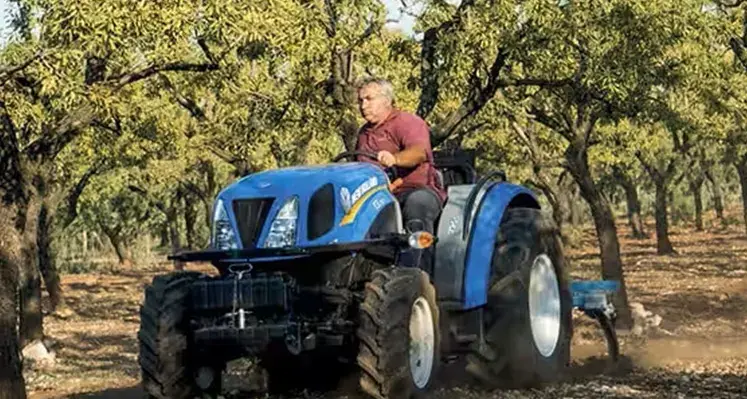
From 20 to 22 May 2026, AGRITECHNICA ASIA and HortEx will gather the global farming community at the Bangkok International Trade & Exhibition Centre. Guided by the theme “Farm. Farmer. Future.”, the event will bring together professionals from across Asia and beyond to explore practical solutions in mechanisation, horticulture and digital agriculture.

Organised by the German Agricultural Society in partnership with Thailand’s Ministry of Agriculture and Cooperatives, the exhibition reflects strong international cooperation. Germany joins as the official partner country, represented by its Federal Ministry of Agriculture, Food and Regional Identity. Eight national pavilions from Austria, China, Germany, India, Japan, the Netherlands, South Korea and Taiwan will highlight global innovation tailored to Asian farming systems.

Around 350 exhibitors and more than 18,000 professional visitors are expected. Major agricultural machinery brands such as CLAAS, AGCO, Mahindra and KUHN will showcase equipment alongside digital pioneers including DJI and Topcon. Visitors will be able to compare machinery, smart farming tools and greenhouse technologies designed to boost efficiency and sustainability.

Katharina Staske, Managing Director, DLG Markets Asia Pacific, said, “AGRITECHNICA ASIA 2026 builds on the success of previous editions while introducing formats that respond to Asia’s dynamic market needs. Our focus is on direct technical exchange so producers can adopt technologies that improve efficiency, reduce pressure, and support more sustainable production.”

The exhibition will be supported by a strong technical programme developed with ministries, universities and international organisations including the Food and Agriculture Organization and the International Rice Research Institute. Discussions will focus on mechanisation, climate resilient systems, sustainable crop production and regional markets.

New features such as the AGRIFUTURE Zone and Startup Day will spotlight innovation and connect emerging enterprises with farmers and investors. The Future Farmers Program will place producers at the centre, encouraging knowledge sharing, professional growth and recognition of leadership in agriculture.

With strong global participation and a clear focus on practical solutions, AGRITECHNICA ASIA and HortEx 2026 aim to shape a resilient and forward looking future for farming in the region.

Inhouse Farming 2026 shapes future food systems. (Image credit: DLG Markets GmbH)

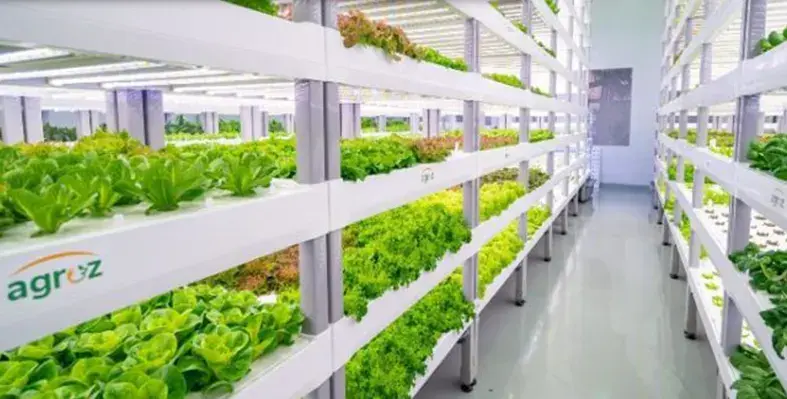
The Inhouse Farming Feed and Food Show 2026 is gathering pace as exhibitor registration opens ahead of its return to EuroTier 2026 in Hanover, Germany.

Taking place from 10 to 13 November 2026, the show will once again form part of EuroTier, recognised globally as the leading exhibition for professional animal farming and livestock management. Organised by DLG, the event continues to strengthen its position as a central meeting point for forward thinking businesses shaping the future of agriculture and food production.

Interest is already building across the sector. Companies working in vertical farming, controlled environment agriculture, alternative protein development, aquaculture, fermentation and smart farming technologies have confirmed their participation. The show provides a practical link between agricultural production and modern food systems, bringing together expertise, innovation and commercial opportunity under one roof.

Running alongside EuroTier, the platform also complements EnergyDecentral, which focuses on decentralised energy solutions. Together, the exhibitions explore how farming, food production and energy systems can connect more efficiently. A strong emphasis will be placed on circular thinking, with many exhibitors presenting concepts that reuse side streams to create additional raw materials. The aim is to develop closed loop systems that are cost effective and resource conscious across the entire value chain.

The 2026 edition will highlight technologies ranging from insect farming and aquaculture systems to bioreactors for fungi and microalgae. Advances in cellular agriculture and innovative inhouse farming methods will also feature prominently. As global demand for reliable and sustainable protein sources grows, organisers expect visitor numbers from overseas to rise further.

Marcus Vagt, Head of Energy, Inhouse Farming and New Foods, DLG, said, “The momentum in the market is enormous. More and more companies are recognizing that inhouse farming is a key component of the food systems of the future. It supports the DLG’s new guiding principle of ‘sustainable productivity growth’, which unites growth and resource conservation. At the same time, inhouse farming enables high product safety because plants and organisms grow in closed, controlled environments – free from climate fluctuations and external influences. This ensures reliable feed and food safety standards."

“Our exhibitors benefit from a highly qualified professional audience, international visibility and an environment that actively promotes innovation. We are delighted with the strong interest already at the start of the registration phase,” Vagt adds.

Following the Hanover exhibition, the Inhouse Farming Feed and Food Convention will take place in Hamburg on 21 and 22 April 2027, continuing the conversation around the future of food and farming.

Top Stories

Grid List

Vietnam’s meat imports exceed US$2bn as demand climbs.

Food & Commodity

Vietnam’s appetite for imported meat continued to grow in 2025, with total purchases surpassing US$2bn for the first time.

The country imported around 978,300 tonnes of meat and meat products during the year, reflecting strong consumer demand and expanding needs within the food processing sector.

Figures compiled by the Import and Export Department under the Ministry of Industry and Trade, together with the General Department of Customs, show that Vietnam spent more than US$2.004bn on meat imports in 2025. Compared with the previous year, import volumes rose by 11.6 per cent, while the overall value increased by 12.2 per cent. The rise points to a steady shift in consumption patterns, with more households and businesses turning to imported animal protein.

India remained Vietnam’s largest supplier. The country exported 188,700 tonnes of meat to Vietnam, valued at US$681.32mn, accounting for nearly one fifth of total import volume.

Frozen pork was one of the fastest growing segments. Imports reached 183,400 tonnes, worth US$418.54mn. This marked an increase of 18.75 per cent in volume and almost 21 per cent in value compared with 2024.

Vietnam relied heavily on Russia for frozen pork, which supplied 48.44 per cent of total imports in this category. Brazil followed with a 30.91 per cent share, underlining the importance of both countries in meeting Vietnam’s protein needs.

The average import price of frozen pork stood at roughly US$2,273 per tonne. This increase came at a time when domestic live hog prices in early 2026 fluctuated between USD 2.65 and 3.30 per kilogramme, creating additional pressure along the supply chain.

While imports surged, exports remained limited. In 2025, Vietnam exported only 22,300 tonnes of meat, generating US$116.49mn in revenue. Hong Kong remained the largest destination for Vietnamese meat, although shipments to the market declined by more than 21 per cent compared with the previous year.

The figures highlight a widening gap between Vietnam’s import demand and its export capacity, as domestic consumption continues to outpace overseas sales.

Hong Kong Suspends Poultry Imports from Argentina and Japan Over Bird Flu Fears.

Poultry

Hong Kong's food safety authorities have moved swiftly to halt poultry imports from specific regions in Argentina and Japan following confirmed outbreaks of highly pathogenic H5 avian influenza.

The Centre for Food Safety (CFS), operating under the Food and Environmental Hygiene Department, issued the suspension after receiving alerts from both the World Organisation for Animal Health (WOAH) and Japan's Ministry of Agriculture, Forestry and Fisheries. The affected areas include Lobos Partido in Buenos Aires Province and Marcos Juarez Department in Córdoba Province in Argentina, alongside Hokkaido Prefecture in Japan.
The ban covers all poultry meat, related products, and poultry eggs arriving from these regions and came into force immediately.

Trade figures from the Census and Statistics Department paint a clear picture of just how significant these supply chains are. Hong Kong brought in roughly 2,080 tonnes of frozen poultry meat from Argentina last year alone. From Japan, the figures were even more considerable, with approximately 2,390 tonnes of frozen poultry meat and nearly 298 million poultry eggs making their way into the city.

A CFS spokesman noted that "the CFS has contacted the Argentinian and Japanese authorities over the issues and will closely monitor information issued by the WOAH and the relevant authorities on the avian influenza outbreaks. Appropriate action will be taken in response to the development of the situation."

Consumers can expect authorities to keep a close watch as the situation develops.

Limex unveils Modular 8 washing system for crates. (Image credit: Limex)

Equipment

Limex has unveiled its latest innovation in industrial washing technology with the introduction of the Modular 8, a highly flexible and configurable washing machine platform designed for crates, seed trays, flower buckets and floats.

The new line marks a significant shift towards modular engineering, allowing customers to build exactly the washing solution they need using standardised components rather than costly custom-built systems.

Unlike traditional crate and tray washers that often require extensive engineering work to meet specific customer requirements, the Modular 8 is built from individual modules that connect seamlessly into a single washing line. These include pre-wash units, one or more main wash modules, rinse sections and blow-off units. This modular approach enables users to tailor the system precisely to their operational layout, hygiene standards and processing capacity.

By installing multiple main wash modules in sequence, the system increases soaking time and washing power, delivering higher throughput without compromising cleaning performance. Each standard module also offers multiple configuration options, such as higher-pressure pumps or advanced filtration technologies. The platform supports both left-hand and right-hand configurations, ensuring maximum flexibility for different production environments.

"With the Modular 8, we make it easier to choose exactly the configuration that matches the customer's capacity, hygiene requirements, and budget," says Joep Janssen, owner of Limex. "Our engineers have designed the machines in such a way that they follow each other seamlessly."

With a tunnel width of 800 millimetres, the Modular 8 is suitable for a broad range of applications, including harvest crates, seed trays, flower buckets and DWC floats. The system has also been designed with maintenance efficiency in mind. Improved accessibility of components simplifies cleaning, inspection and servicing, helping to reduce downtime and improve overall operational efficiency.

The Modular 8 builds on Limex’s reputation for proven, high-quality engineering. Constructed from robust stainless steel, the platform delivers durability, reliability and long service life. Twelve Modular 8 lines are already in operation across multiple countries, demonstrating strong market acceptance.

This launch sets the foundation for future developments, with the Modular 10, Modular 14 and Modular 18 planned to follow. These larger, configurable models will eventually replace Limex’s existing cart washers and big box washers, reinforcing the company’s commitment to modular, future-ready industrial washing solutions.

ROK aims to position itself at the forefront of green bio innovation.

Infrastructure

The Ministry of Agriculture, Food and Rural Affairs (MAFRA) has designated seven provinces Gyeonggi-do, Gangwon-do, Chungcheongnam-do, Gyeongsangbuk-do, Gyeongsangnam-do, Jeollabuk-do, and Jeollanam-do as the first-ever “Green Bio Industry Promotion Zones” in accordance with Article 15 of the Act on the Promotion of the Green Bio Industry.

This milestone marks a significant step in the Republic of Korea’s strategy to strengthen its green bioeconomy and drive sustainable industrial growth.

Introduced for the first time this year, the Green Bio Industry Promotion Zone system is designed to establish a comprehensive, region-led framework for business support. The initiative is built around provincial hubs where green bio companies, universities, research institutes, and essential infrastructure for technology verification and certification are closely integrated. Through this clustered approach, local governments are expected to play a leading role in nurturing innovation, accelerating technology transfer, and supporting market-ready solutions.

The selected zones were evaluated and designated following a rigorous assessment process. Key criteria included industrial growth potential, implementation capacity, policy relevance, and overall feasibility. This ensures that each province is well positioned to contribute effectively to the national green bio strategy while leveraging its own regional strengths and resources.

The green-bio industry itself is regarded as a next-generation growth engine, encompassing six major sectors: microorganisms, natural products, food materials, insects, seeds, and veterinary medical products. With the designation of the Green Bio Industry Development Zones, collaboration networks among provinces are expected to deepen. In parallel, processes for verification, evaluation, certification, and commercialisation of green bio technologies and products are set to accelerate, helping to create a dynamic and competitive innovation ecosystem.

MAFRA plans to support the designated provinces by granting eligibility to participate in government-funded infrastructure development projects, including the Green Bio Venture Campus and advanced biofoundries. In addition, policy incentives will be provided to companies operating within the zones, further encouraging private-sector participation and investment in sustainable bio-based industries.

To ensure accountability and continuous improvement, MAFRA will receive quarterly performance reports from the local governments managing the designated zones. Annual performance evaluations will also be conducted to closely monitor implementation progress. Importantly, the results of these evaluations will be reflected in the formulation of policies for the following year, reinforcing a results-driven and adaptive governance approach.

Through these measures, the ROK aims to position itself at the forefront of green bio innovation, fostering regional development while advancing a resilient, sustainable bioeconomy aligned with global green growth trends.